
Main Courses
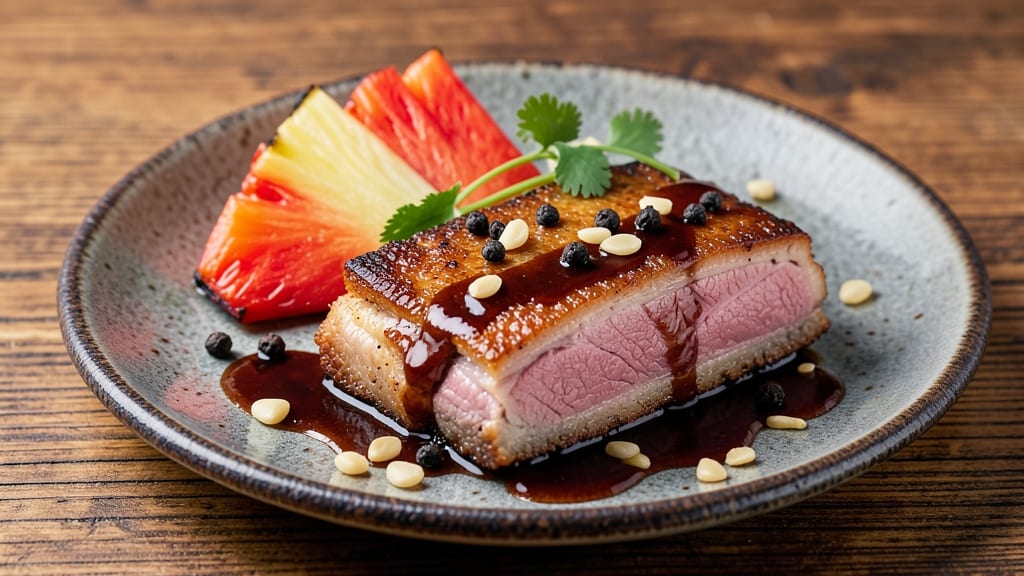
This pork belly pineapple adobo recipe delivers the perfect harmony of sweet, tangy, and savory flavors that define Filipino comfort food. 🌟 The secret lies in slow-braising pork belly until it's fork-tender, then caramelizing it with pineapple and vinegar for a glossy, sticky glaze that clings to every bite.
I've perfected this technique over years of cooking for crowds, ensuring crispy edges that contrast beautifully with the tender interior.
The beauty of this dish is in its balance—tart vinegar cuts through the richness of the pork, while pineapple adds natural sweetness that caramelizes into a deep, complex sauce. Unlike quick weeknight meals, this recipe rewards patience with layers of flavor that develop through slow cooking.
The result is a dish that's equally at home on a family dinner table or as the centerpiece of a festive gathering.
What you'll achieve is restaurant-quality adobo with perfectly crispy edges and melt-in-your-mouth pork that falls apart easily. The sauce, reduced to a glossy consistency, coats every bite with a perfect balance of sweet, tangy, and umami notes.
This is the kind of dish that transforms a simple meal into an unforgettable experience—one that'll have everyone asking for seconds.
Serve it over steamed jasmine rice to soak up every last drop of that luscious sauce, or pair it with roasted vegetables for a complete meal. The versatility of this recipe makes it perfect for any occasion, from casual weeknight dinners to special gatherings.
Let's get started on creating this Filipino classic in your own kitchen.
Ingredients for pork belly pineapple adobo
Sweet, tangy, and crispy—this pork belly adobo delivers restaurant-quality flavor with just 14 ingredients.
| Ingredient | Amount | Notes |
|---|---|---|
| Pork Belly 🥓 | 4 lb | Skin-on, cut into 2-inch cubes |
| Fresh Pineapple 🍍 | 2 cups | Chopped, including juice |
| Cane Vinegar 🍶 | 1 cup | White vinegar works too |
| Soy Sauce 🍶 | ½ cup | Light or regular preferred |
| Brown Sugar 🍚 | ½ cup | Packed, for caramelization |
| Garlic Cloves 🧄 | 8 cloves | Minced, for deep flavor |
| Fresh Ginger 🌿 | 2 tbsp | Grated, for zesty kick |
| Black Peppercorns 🌶️ | 1 tsp | Crushed, for heat balance |
| Bay Leaves 🍃 | 2 whole | For aromatic depth |
| Olive Oil 🫒 | 2 tbsp | For searing pork belly |
| Salt 🧂 | 1 ½ tsp | Kosher or sea salt |
| Jasmine Rice 🍚 | 2 cups | Uncooked, for serving |
| Green Onions 🧅 | 4 whole | Sliced, for garnish |
| Sesame Oil 🫒 | 1 tsp | For finishing drizzle |
The pork belly is the star here—look for thick-cut pieces with good marbling from the butcher section at Whole Foods or your local Asian market. Costco often has pre-cut pork belly at a great price, but if you're buying whole, ask for it to be cut into 2-inch cubes. The skin should be thick enough to crisp up beautifully—this is what gives the dish that perfect contrast between tender meat and crispy edges. For the pineapple, fresh is non-negotiable—canned won't give you that same caramelized sweetness. If you can't find fresh, frozen works in a pinch, but thaw it completely first. The vinegar? Cane vinegar adds authentic flavor, but white vinegar is a solid substitute if that's all you've got.
No cane vinegar? Apple cider vinegar or rice vinegar both work beautifully. The brown sugar can be swapped for white, but it won't caramelize as nicely. For a deeper flavor**, toast the garlic and ginger in the olive oil for 30 seconds before adding the pork—it makes all the difference. If you're short on time, skip the sesame oil drizzle, but trust me, it's worth the extra minute. The soy sauce? Light soy has a cleaner taste**, but regular works too. And if you're worried about the pork being too rich, the pineapple's acidity and the vinegar will cut right through it—promise.
This dish tastes even better the next day as the flavors meld, so make extra if you can. Store leftovers in an airtight container in the fridge for up to 4 days, or freeze for 3 months. The sauce thickens as it cools, so add a splash of water when reheating. For serving, I always steam up a big batch of jasmine rice—the sauce soaks right in, and everyone loves scraping up the last bits. Garnish with those green onions right before serving, because they wilt fast if you prep ahead.
Why You'll Love This Recipe
- One-Pan Magic: I swear by this recipe when I’m too tired to wash dishes. The pork belly renders its own fat into crispy perfection while the pineapple caramelizes—just toss everything in one pan, let it simmer, and walk away.
- Sweet-Savory Balance: That first bite? The vinegar cuts through the richness of the pork, the brown sugar mellows the acid, and the pineapple adds just enough brightness to make it feel like a vacation in your mouth. Honestly, it’s the kind of flavor that makes you want to eat it straight from the skillet.
- Leftovers That Shine: This dish actually tastes better the next day—yes, really. The flavors meld into something deeper, and I’ve sent it to work lunches or potlucks without a second thought. (Between us, it’s the secret to my “I cooked” reputation.)
- Budget-Friendly Luxury: Pork belly feels fancy, but here it’s the star without the restaurant price tag. A few slices go a long way, and the pineapple’s natural sweetness means you don’t need expensive add-ons. It’s the kind of meal that makes you feel like you splurged, even when you didn’t.
Step-by-step instructions for pork belly pineapple adobo
Here's how to transform tender pork belly into crispy, caramelized bites with a luscious sweet-savory glaze.
🔥 Step 1: Sear the Pork Belly for Maximum Flavor
Heat a large Dutch oven over medium-high heat until a drop of water sizzles instantly. Add the 2 tablespoons olive oil and let it shimmer for 30 seconds. Working in batches to avoid crowding, add the 4 lb pork belly cubes skin-side down. Press gently with a spatula to ensure even contact.
Sear for 4-5 minutes until the skin becomes deep golden brown and crispy. Flip the cubes and sear the other sides for another 3-4 minutes. Don't rush this step—the caramelized crust is what gives this dish its irresistible texture. Transfer the seared pork to a plate and set aside.
🍳 Step 2: Build the Sweet-Savory Adobo Base
In the same Dutch oven, reduce the heat to medium. Add the 8 cloves minced garlic and 2 tablespoons grated fresh ginger, cooking for 30 seconds until fragrant. Be careful not to burn them—garlic turns bitter quickly.
Pour in the 1 cup cane vinegar and 0.5 cup soy sauce, scraping up any browned bits from the bottom. Add the 0.5 cup packed brown sugar, 1.5 teaspoons salt, and 1 teaspoon crushed black peppercorns. Stir well and bring the mixture to a gentle simmer, which should take about 2-3 minutes.
🍳 Step 3: Combine and Simmer the Pork Belly
Return the seared pork belly to the Dutch oven, along with any accumulated juices. Add the 2 cups chopped fresh pineapple (including juice) and 2 whole bay leaves. The liquid should come about halfway up the pork cubes—if it doesn't, add 2-3 tablespoons water.
Bring everything to a gentle boil, then reduce heat to low and cover partially. Simmer for 1 hour and 15 minutes, turning the pork cubes occasionally, until they're fork-tender. The sauce should thicken and become glossy, with a beautiful caramelized color. Here's the thing—if the sauce reduces too much before the pork is tender, add 2-3 tablespoons water to maintain the right consistency.
🔥 Step 4: Achieve Crispy Edges and Glossy Glaze
Once the pork is tender, uncover the Dutch oven and increase heat to medium-high. Let the sauce reduce for 5-7 minutes until it becomes syrupy and coats the back of a spoon. This step is critical for that perfect balance of tender meat and crispy edges.
Gently remove the pork belly cubes with tongs and transfer them to a baking sheet. Broil for 2-3 minutes on high, watching closely to ensure the skin doesn't burn. You're looking for deep golden brown spots and slightly crispy edges—this is what makes this dish so irresistible.
🍽️ Step 5: Serve with Jasmine Rice and Garnish
Return the crispy pork belly to the reduced sauce and toss gently to coat. Cook for another 1 minute to heat through. Meanwhile, cook the 2 cups jasmine rice according to package instructions—it should be perfectly fluffy and ready to serve.
Divide the rice among plates, top with pork belly cubes, and ladle the glossy pineapple adobo sauce over the top. Drizzle with 1 teaspoon sesame oil and garnish with sliced green onions. The contrast of crispy pork, tender meat, and sweet-savory sauce is what makes this dish truly special. Serve immediately while the pork is at its best texture!
Pro Tips For Making Pork Belly Pineapple Adobo
- SCORE THE BELLY: Use a sharp knife to cut the pork belly into 1-inch thick slices—thinner than you’d think. Thick pieces stay chewy; this size guarantees tender, melt-in-your-mouth bites every time. (Yes, it takes longer to cut, but you’ll regret rushing this.)
- CHAR THE PINEAPPLE: Toss pineapple chunks in a screaming-hot pan for 2 minutes before adding anything else. The caramelized edges cut through the richness of the pork and deepen the vinegar’s tang—don’t skip this, even if the kitchen smells like a tropical bonfire.
- REDUCE THE VINEGAR: Simmer cane vinegar down to half its volume before tossing it in. This concentrates the acidity without making the dish taste like you’re pickling the pork. (I learned this the hard way—my first batch was painfully sharp.)
- BALANCE THE SWEET: Add brown sugar gradually, tasting as you go—start with 2 tablespoons, then adjust. Too much sugar masks the soy’s umami, and you’ll end up with a dessert instead of a savory adobo. (Your taste buds will thank you.)
Creative variations of this dish
Slow-Cooker Adaptation
Transform this recipe into a hands-off masterpiece using your slow cooker. Start by searing the pork belly cubes in a skillet until golden brown, then transfer them to the slow cooker. Add all the sauce ingredients—vinegar, soy sauce, brown sugar, garlic, ginger, and pineapple—along with the bay leaves.
Cook on low for 6-7 hours or high for 4-5 hours, stirring occasionally. The slow cooker's gentle heat ensures perfectly tender pork with a rich, caramelized sauce. The beauty? No oven required—just set it and forget it until dinner time. 💫
Instant Pot Shortcut
For an even faster version, use your Instant Pot. Sear the pork belly cubes in a skillet first, then transfer them to the pot. Add all the sauce ingredients, including the pineapple, and cook on high pressure for 40 minutes.
Once done, let the pressure release naturally for 10 minutes, then quick-release the rest. The pork will be fork-tender, and the sauce will be thick and glossy. Finish by broiling the pork for 2-3 minutes to get those crispy edges.
This method cuts the cooking time in half while keeping all the rich flavors. ⏰
Spicy Kick Variation
Add a fiery twist by incorporating 1-2 tablespoons of gochujang or 1-2 slices of fresh chili into the sauce. For a smoky heat, add 1 teaspoon of smoked paprika or ½ teaspoon of cayenne pepper along with the black peppercorns.
The pineapple’s sweetness balances the heat beautifully, creating a complex flavor profile that’s sure to impress. Garnish with extra chili slices or a sprinkle of chili flakes for an extra kick. 🌶️
Coconut Milk Twist
For a richer, creamier sauce, stir in ½ cup of coconut milk during the final 5 minutes of simmering. The coconut milk adds a subtle sweetness and velvety texture that complements the pineapple and pork perfectly.
This variation is especially popular in tropical regions and pairs wonderfully with jasmine rice. If you love coconut flavors, this is a must-try twist that elevates the dish to new heights. 🥥
Vegetable-Packed Side
Serve your pork belly pineapple adobo with a vibrant vegetable medley to round out the meal. Roast bell peppers, zucchini, and cherry tomatoes with 1 tablespoon olive oil, ½ teaspoon salt, and ½ teaspoon black pepper at 400°F for 20 minutes.
The charred flavors of the vegetables contrast beautifully with the sweet-savory adobo. Alternatively, steam bok choy or green beans for a lighter side dish that soaks up the delicious sauce. 🥦
Make-Ahead Magic
This dish tastes even better the next day, making it perfect for meal prep. After cooking, let the pork belly and sauce cool completely, then store them together in an airtight container in the refrigerator for up to 4 days.
When ready to serve, reheat the pork and sauce in a skillet over medium heat for 5-7 minutes, adding a splash of water if the sauce is too thick. The flavors deepen overnight, and the pork stays incredibly tender. Perfect for busy weeknights or entertaining guests! 📅
Nutrition facts
Frequently asked questions
Can I substitute regular pork chops for pork belly in this recipe?
Pork belly is ideal because its fat content creates rich, crispy edges and tender meat, but you can use bone-in pork shoulder or pork loin chops instead. Cut them into 1.5-inch cubes and reduce cooking time by 15-20 minutes since leaner cuts cook faster. The sauce will still work beautifully, though the texture won't be as luxurious.
How do I know when the pork belly is fully tender?
Use a fork to pierce the thickest piece—it should slide in easily with no resistance. The internal temperature should reach 195°F (or 185°F for leaner cuts). If the sauce reduces too quickly, add 2 tablespoons water to prevent sticking. The pork will continue cooking as it rests, so don't overcook it.
Can I make this recipe in a slow cooker or Instant Pot?
For the slow cooker, sear the pork first, then cook on low for 6-7 hours or high for 4-5 hours. For the Instant Pot, sear the pork, then pressure cook on high for 40 minutes with natural release. Finish with 2-3 minutes under the broiler for crispy edges. Both methods yield tender pork with a rich sauce.
What if my sauce turns out too thin or too thick?
If the sauce is too thin, simmer uncovered for 5-7 minutes to reduce it. For a thicker sauce, mix 1 tablespoon cornstarch with 2 tablespoons water, stir into the sauce, and simmer for 2 minutes. Never add flour directly—it can make the sauce grainy. The perfect consistency coats the back of a spoon.
How should I store leftovers, and can I freeze this dish?
Store leftovers in an airtight container in the fridge for up to 4 days. For freezing, cool completely, then freeze the pork and sauce together for up to 3 months. Reheat gently in a skillet with a splash of water to restore moisture. The flavors actually improve overnight!